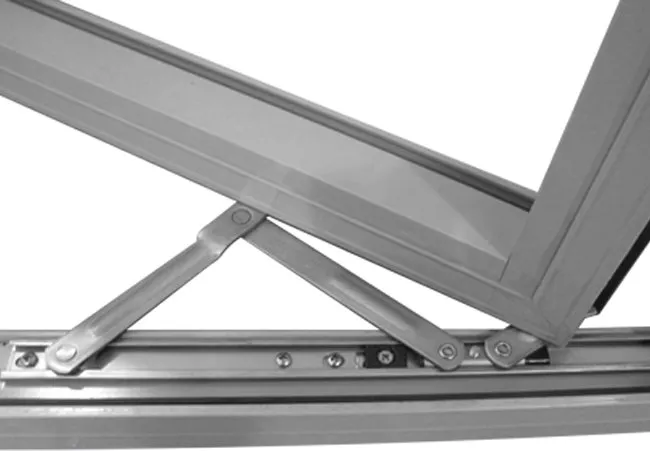
As Australia continues to prioritize energy efficiency and sustainability in building designs, the role of aluminum windows has become increasingly significant. Architects, builders, and property developers must integrate solutions that meet stringent energy efficiency requirements while providing durability and aesthetic appeal. In particular, commercial aluminum casement windows are an excellent option for achieving these goals. Understanding the energy efficiency standards and materials available can help professionals make informed decisions.
The Importance of Energy Efficiency Standards
Australia’s energy efficiency requirements are guided by regulations that aim to minimize energy consumption and reduce environmental impact. The National Construction Code (NCC) outlines specific performance criteria that buildings must achieve regarding energy use, particularly related to thermal insulation and air infiltration. For aluminum windows, these standards mandate that a certain level of energy efficiency must be met to ensure optimal performance in various climates across the country.
For commercial buildings, incorporating energy-efficient aluminum frame casement windows is essential as they contribute to overall building performance. High-quality windows not only help maintain comfortable indoor temperatures but also play a crucial role in lowering heating and cooling costs, making them a wise investment for businesses seeking long-term savings.
Choosing High-Quality Materials
The energy efficiency of aluminum windows largely depends on the materials used and their construction. Commercial aluminum casement windows should feature high-performance sealing materials, such as silicone or EPDM, between the glass and frame. This seals gaps that could otherwise lead to air leakage, ensuring indoor environments remain comfortable throughout the year. Proper sealing reduces the need for excessive heating or cooling, resulting in lower energy consumption.
Additionally, selecting the right glazing is vital for enhancing insulation. Optional double-glazed options, such as 5-9A-5 double-tempered glass, can significantly improve a window’s thermal performance. By reducing heat transfer, these options help maintain stable indoor temperatures even in extreme weather conditions, giving businesses a competitive edge in energy savings.
Embracing Innovation in Window Design
As the demand for energy-efficient solutions rises, manufacturers of aluminum frame casement windows are continually innovating to meet market needs. This innovation includes integrating advanced technologies and materials that improve performance and aesthetics.
Bunniemen is a notable player in the aluminum window manufacturing industry, providing robust and durable solutions ideal for both commercial and residential applications. Their 50 Series Aluminum Casement Window exemplifies excellent energy efficiency, thanks to its state-of-the-art sealing materials and optional double-glazed glass. These features position Bunniemen as a leader in the market, offering products that not only comply with Australia’s energy efficiency requirements but also enhance the overall value of any property.
Elevate Your Building Projects with Bunniemen
For architects and builders seeking superior energy-efficient aluminum windows, Bunniemen’s 50 Series Aluminum Casement Window stands out as an optimal choice. By choosing products from a reputable aluminum frame casement windows factory, professionals can ensure they meet the regulatory standards while enhancing energy efficiency and aesthetic appeal. Investing in quality windows like those from Bunniemen contributes to both immediate savings and long-term sustainability, making it a sound decision for any construction project.
