In the architecture of modern industrial automation, the seamless integration of control logic and physical motion is paramount. The Programmable Logic Controller (PLC) acts as the central brain, processing sensor data and making high-level decisions, while the servo drive functions as the sophisticated nervous system, translating those decisions into precise mechanical movement. Establishing robust communication between these two components is critical for machine performance. As a leading servo drive supplier, Leadshine provides a diverse array of drives engineered to simplify this integration process, supporting various protocols from traditional pulse signals to advanced industrial Ethernet buses.
Step 1: Selecting the Right Communication Protocol
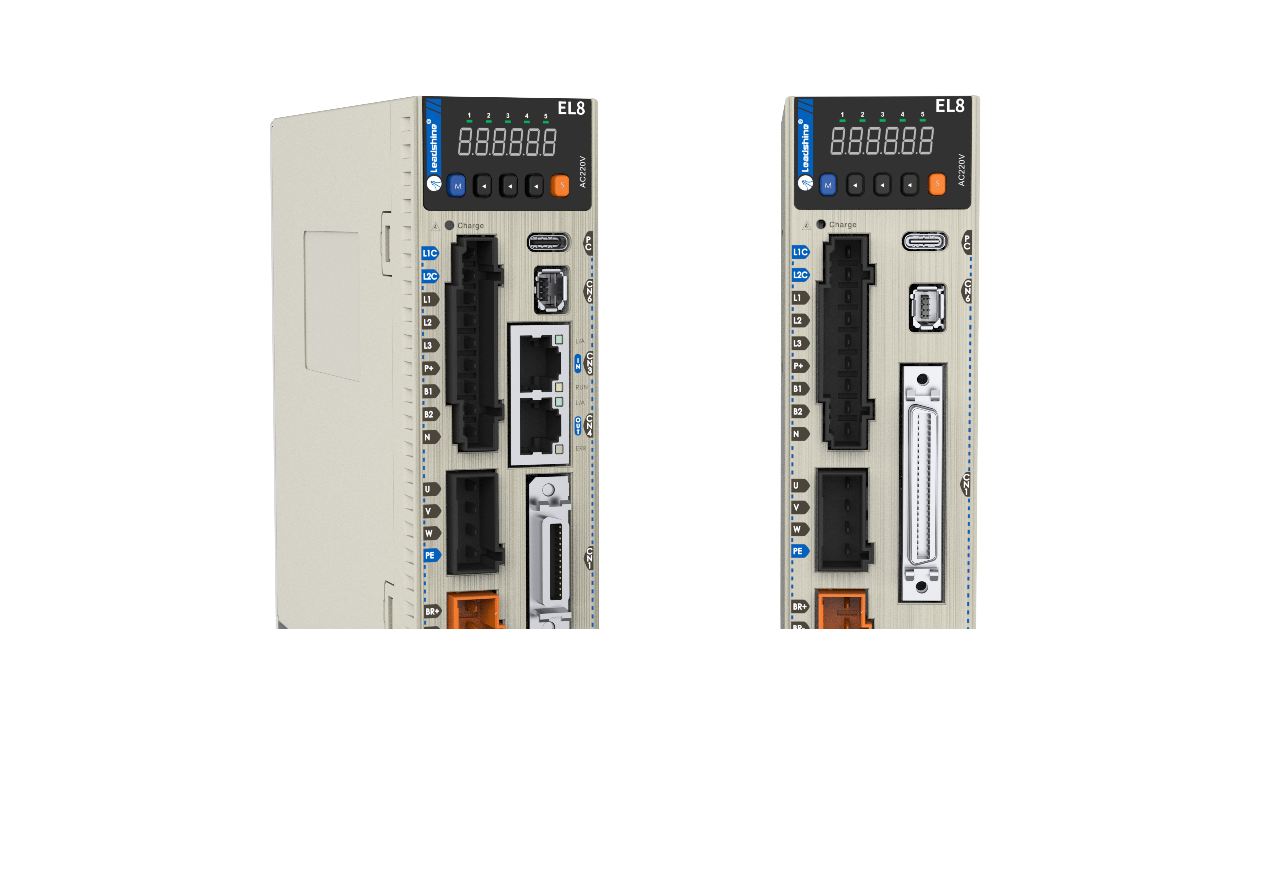
The first step in integrating a servo drive with a PLC is determining the most appropriate communication method for the application. Historically, the “Pulse and Direction” method was the standard, where the PLC sent high-speed electrical pulses to dictate position. While simple, this method lacks feedback data. Modern automation increasingly relies on fieldbus protocols like EtherCAT, PROFINET, or Modbus. Leadshine addresses this shift by offering a comprehensive lineup on their product page, including the EL7 and EL8 series which natively support high-speed EtherCAT and PROFINET communication. Choosing a bus-based drive allows the PLC to not only command motion but also monitor real-time data such as torque, speed, and alarm status, creating a smarter and more responsive machine.
Step 2: Physical Wiring and Electrical Integration
Once the protocol is selected, the physical installation begins. Proper wiring is the foundation of a reliable system. When connecting a servo drive to a PLC, engineers must pay strict attention to grounding and shielding to prevent electromagnetic interference (EMI), which can corrupt control signals. For pulse-controlled drives, this involves wiring the pulse, direction, and enable signals to the PLC’s high-speed output terminals. For networked drives like the Leadshine EL8-EC series, the process is streamlined; it typically involves connecting standard RJ45 Ethernet cables between the PLC and the drive’s communication ports. A reputable servo drive supplier will always provide detailed wiring diagrams to ensure the correct pinout configuration for input/output (I/O) signals, such as limit switches and emergency stops.
Step 3: Configuring Drive Parameters
Before the PLC can effectively control the motor, the servo drive itself must be configured to match the attached motor and the mechanical load. This involves setting parameters such as electronic gear ratios, control modes (position, speed, or torque), and safety limits. Leadshine simplifies this phase with their user-friendly tuning software, which connects to the drive via USB. Through this interface, engineers can configure the drive to recognize the specific motor model and perform initial “static” tuning. This step ensures that the drive interprets the PLC’s commands correctly. For example, setting the correct resolution ensures that one unit of command from the PLC equals exactly one millimeter or degree of movement on the machine.
Step 4: Integrating Description Files into the PLC Environment
For bus-based communication (EtherCAT, PROFINET, etc.), the PLC needs to “know” the capabilities of the connected device. This is achieved by importing a device description file—commonly known as an ESI (EtherCAT Slave Information) or GSD file—into the PLC’s programming environment. As a customer-focused servo drive supplier, Leadshine provides these files for download for all their network-capable drives. Once imported, the PLC recognizes the servo drive as a distinct node on the network. This allows the programmer to map the drive’s internal registers (Control Word, Status Word, Target Position) to the PLC’s memory addresses, establishing the digital link required for data exchange.
Step 5: Programming Motion Control Logic
With communication established, the focus shifts to writing the PLC logic. Modern PLCs utilize standardized motion control function blocks (based on PLCopen standards) to interact with the servo drive. These blocks include commands for enabling the axis (MC_Power), homing the system (MC_Home), and executing movements (MC_MoveAbsolute or MC_MoveVelocity). The programmer must structure the logic to handle state management—ensuring the drive is in a “Ready” state before sending motion commands. The advanced responsiveness of Leadshine drives ensures that they react instantly to these logic states, executing complex motion profiles such as S-curve acceleration to minimize machine vibration and wear.
Step 6: Tuning and Optimization
The final, and perhaps most critical, step is tuning the system for dynamic performance. While the PLC sends the command, the servo drive is responsible for executing it accurately under load. This requires tuning the PID (Proportional-Integral-Derivative) control loops. A poorly tuned system will overshoot its target or lag behind the command. Leadshine drives feature advanced auto-tuning algorithms that can dynamically adjust gains to suppress resonance and settle quickly. During this phase, the engineer often monitors the “following error” (the difference between commanded and actual position) in the PLC software to verify that the drive is tracking the profile accurately.
The Importance of a Reliable Partner
Integrating a servo system is a systematic process that bridges hardware and software. The success of this integration relies heavily on the quality of the components and the support provided by the manufacturer. By choosing Leadshine as your servo drive supplier, you gain access to a product range designed with connectivity in mind. From the robust EL7 series to the compact low-voltage DC drives, their solutions offer the flexibility and intelligence required for seamless PLC integration. Following these steps ensures a motion control system that is not only functional but optimized for the high-speed, high-precision demands of modern industry.
