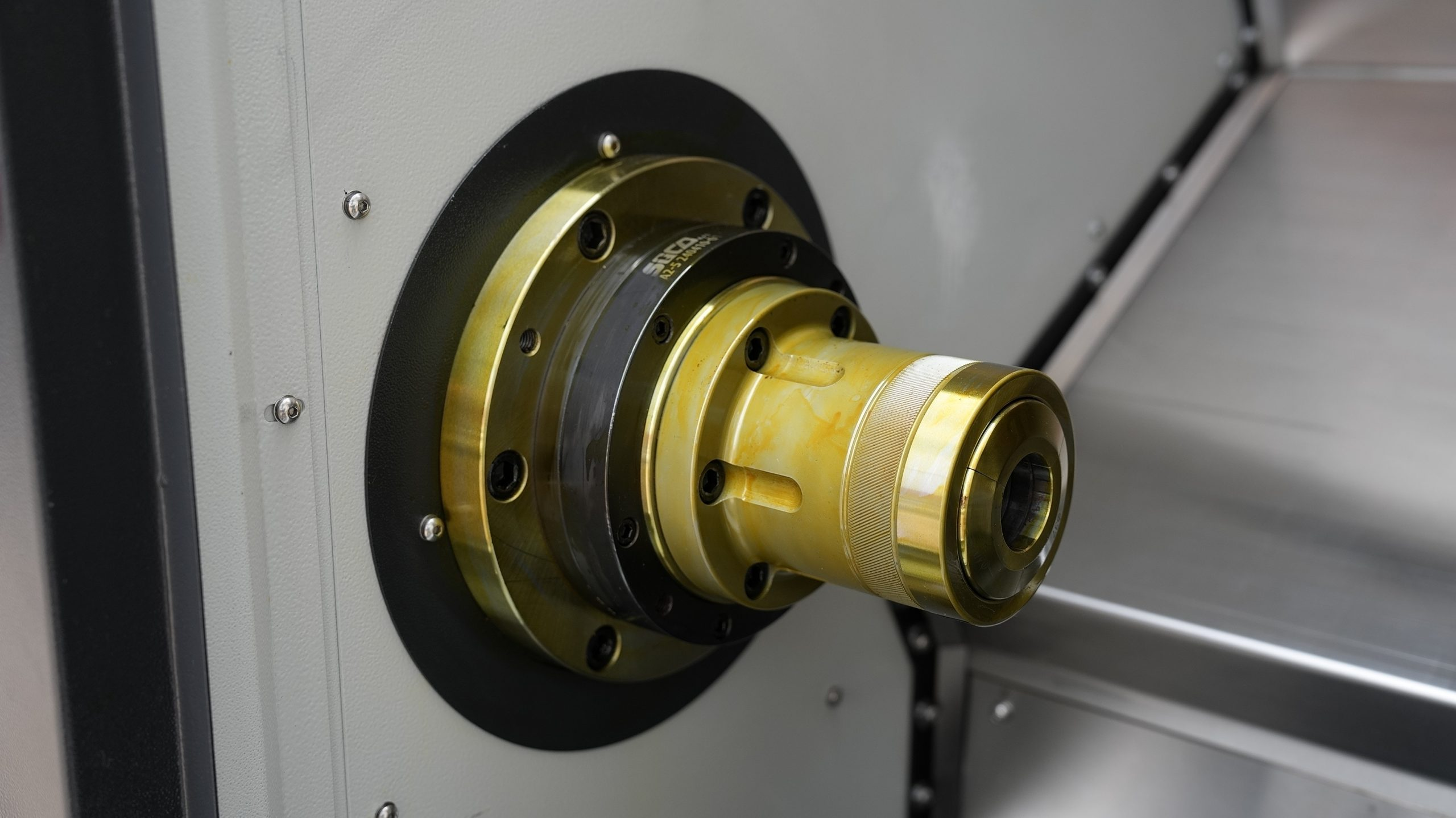
Leichman has designed the LK-160 CNC Turret Lathe as a high-speed, high-precision, and rigid multi-purpose machine. This lathe features a 30° slant bed and is equipped with Fanuc 0i-TF Plus(3) controls, making it suitable for a wide range of metalworking applications. Despite its advanced design, operators may occasionally encounter issues where the turret becomes stuck, affecting production efficiency. Understanding the root causes and implementing timely solutions is essential for ensuring uninterrupted operations.
Common Causes of Turret Jamming
One primary reason for a stuck turret in a CNC turret lathe is insufficient lubrication in the rotating mechanism. Over time, metal chips, dust, or debris can accumulate in the turret assembly, obstructing movement. Another factor involves misalignment during tool installation or wear in the indexing mechanism. Machines equipped with a quick change tooling system may also experience jamming if the tool holders are not seated correctly or if the locking pins are partially engaged. Operators should regularly inspect these areas to prevent operational interruptions.
Quick Troubleshooting Steps
To address a stuck turret promptly, technicians can follow a systematic approach. First, verify that the power supply and hydraulic pressure meet the specifications, as low pressure can impede turret rotation. Next, check the lubrication channels and remove any debris around the turret and tool holders. If the lathe uses a quick change tooling system, confirm that all tools are properly locked and aligned. Adjustments should be performed according to the Leichman LK-160 CNC Turret Lathe manual to avoid causing additional damage. Preventive maintenance schedules help reduce such issues in the long term.
Preventive Measures for Smooth Operation
Ensuring consistent performance of a CNC turret lathe requires proactive steps. Leichman supports operators with technical guidance, flexible after-sales support, and custom maintenance plans to minimize downtime. Routine inspections, proper lubrication, and adherence to recommended tool installation procedures help maintain the functionality of the quick change tooling system. Such measures ensure that the LK-160 CNC Lathe operates efficiently across diverse industrial applications, from metal processing to high-precision component manufacturing.
Conclusion
Addressing turret jamming involves identifying lubrication issues, mechanical misalignments, or improper tool installation in a CNC turret lathe. Utilizing the quick change tooling system effectively and following Leichman’s maintenance guidelines can significantly reduce operational interruptions. With timely troubleshooting and preventive practices, the LK-160 CNC Turret Lathe delivers reliable, high-precision performance suitable for various B2B industrial applications.
