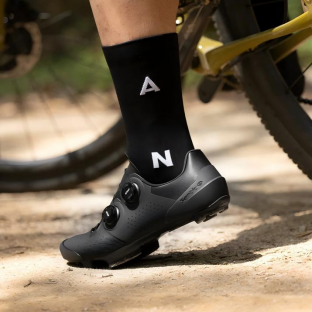
In the high-stakes environment of competitive road racing, we often talk about wattage, aerodynamics, and frame geometry. Yet, one of the most overlooked factors in maintaining consistent performance is the management of the internal microclimate inside your footwear. During a multi-hour endurance effort, the human foot generates significant metabolic heat, leading to physiological swelling—a phenomenon known as thermal expansion. If your equipment cannot effectively dissipate this energy, your performance will inevitably suffer. For athletes who value the “Cycling For Freedom” philosophy, understanding how premium carbon bike shoes handle these thermodynamics is essential. Santic has leveraged advanced material science in the Stiffness 13 Series to ensure that as your body works harder, your footwear adapts, preventing the performance-draining effects of overheating.
The Physiology of Thermal Expansion During Cycling
The human foot is a complex biomechanical engine. As you pedal, the muscles in the arch and the metatarsal regions work continuously to stabilize the foot and transmit force. This muscular activity produces radiant heat. Under normal circumstances, this heat is managed by the body’s cooling systems. However, inside a confined, high-performance cycling shoe, this heat accumulates.
As the temperature rises, the blood vessels in the foot dilate to facilitate cooling, which causes the soft tissues to swell. This natural expansion, combined with the lack of airflow often found in rigid performance footwear, can lead to increased pressure against the inner walls of the shoe. When the foot expands against an unyielding, poorly ventilated surface, the result is compression of the dorsal nerves and restricted blood flow. This leads to the all-too-familiar sensation of “numbness” or tightness, which can force a rider to loosen their dials, thereby compromising their secure fit and power transfer. This is where the engineering of high-end Santic footwear distinguishes itself.
Stiffness 13 Series: Engineered for Thermal Regulation
The core objective of the Stiffness 13 Series is “Zero Power Loss,” which usually refers to mechanical energy transfer. However, Santic engineers have extended this philosophy to thermal energy management. To prevent the negative impacts of thermal expansion, the shoe must act as a respiratory system for the foot.
The Stiffness 13 platforms achieve this through a highly deliberate integration of high-density carbon fiber and strategic ventilation zones. Unlike monolithic, fully enclosed soles that trap heat, Santic’s carbon architecture features precision-machined intake vents. These vents allow for active airflow, drawing cool air in through the sole and forcing warm, humid air out through the breathable upper mesh. By keeping the internal temperature of the shoe stable, the Stiffness 13 Series proactively slows the rate of thermal expansion, keeping the foot within its optimal volume throughout the duration of a long ride.
The Role of Advanced Uppers in Heat Dissipation
While the carbon base handles mechanical stiffness and intake ventilation, the upper construction manages the exit of heat and vapor. Traditional cycling shoes often rely on thick synthetic leathers that act as insulators, locking heat inside. Santic rejects this approach in favor of advanced vacuum seamless welding technology.
By removing bulky, multi-layered seams, the brand creates an upper that acts as a porous exoskeleton. This material science breakthrough allows for rapid moisture evaporation. Because the fabric is engineered to be hydrophobic, it does not soak up sweat, which would otherwise add weight and block airflow. Instead, the mesh partitions facilitate the immediate release of warm vapor, ensuring the internal microclimate remains dry and cool. When your foot stays cool, it remains stable, and your pedal stroke remains efficient. You are not fighting against the physical discomfort of an expanding foot, which allows you to keep your focus entirely on the road ahead.
Why Material Rigidity Matters for Comfort
There is a misconception that a rigid shoe will inherently be uncomfortable because it doesn’t “give” with the foot. In reality, the rigidity of high-performance carbon bike shoes is exactly what prevents the excessive internal movement that causes friction-related heat. When a shoe is too flexible, the foot slides, creating localized friction points that generate heat independently of the muscular effort.
The Santic Stiffness 13 Series provides a stable, unyielding foundation that locks the foot in place. Because the foot is perfectly cradled and stabilized by the PEBAX heel cup and the anatomical last, there is no unnecessary internal sliding. This structural stability reduces the workload on the small intrinsic muscles of the foot, leading to less heat generation in the first place. By combining this mechanical stability with high-flow ventilation, the shoe provides a holistic solution to thermal management.
Conclusion: Sustaining Output Through Precision Gear
Thermal expansion is an invisible adversary in the pursuit of cycling excellence. Left unchecked, the internal heat buildup in your footwear can lead to numbness, pressure, and the loss of power—all of which serve as barriers to your true potential. By investing in carbon bike shoes that prioritize both structural rigidity and active thermal regulation, you ensure that your gear works with your physiology rather than against it. Santic remains steadfast in its mission to provide professional-grade equipment for those who love the exhilarating freedom of the ride. By integrating the high-performance Stiffness 13 Series into your training kit, you can confidently manage the microclimate of your feet, maintain your ideal fit, and focus on delivering maximum wattage from the first mile to the last.
