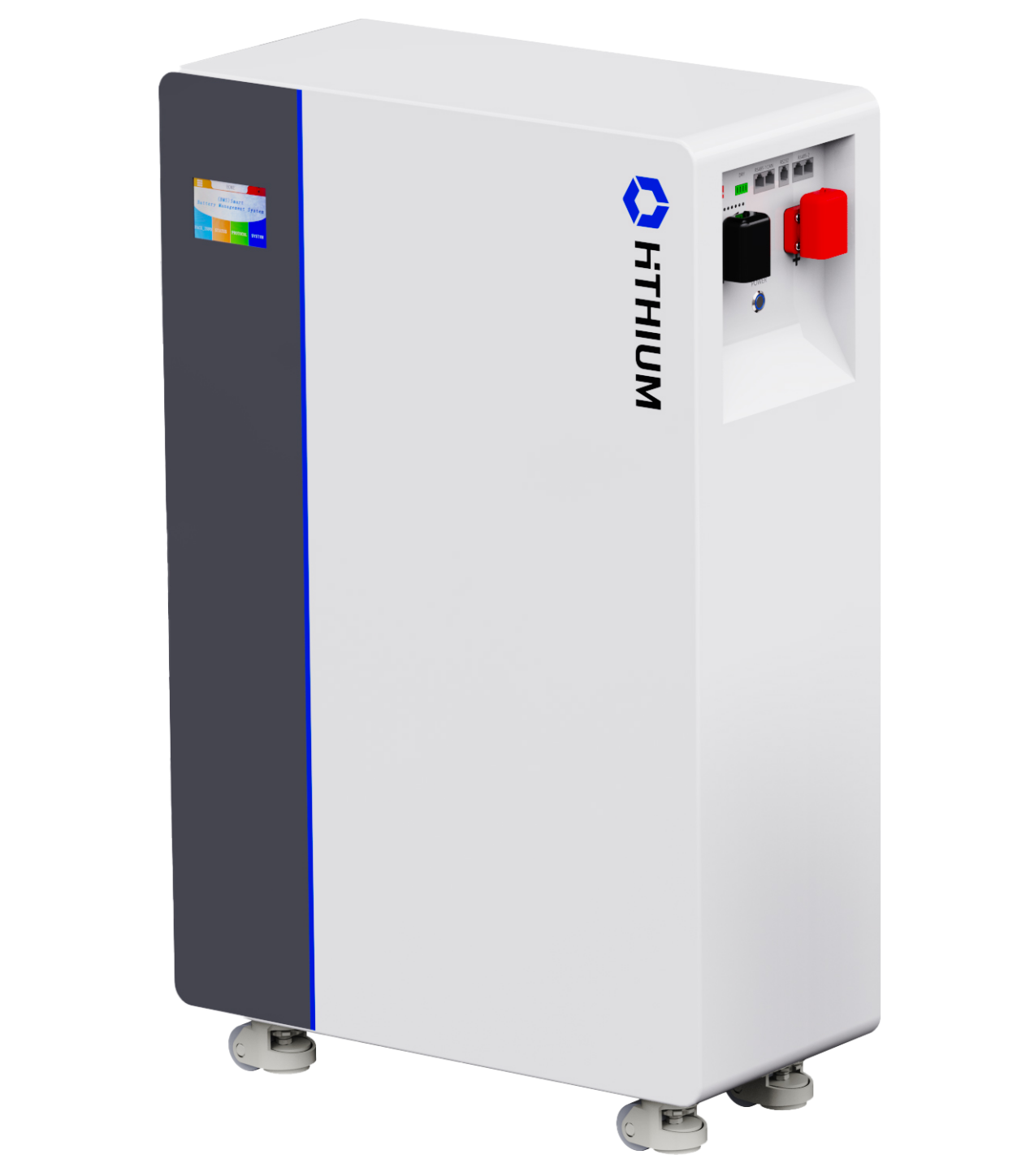
The decision to adopt residential energy storage systems is a powerful move toward energy independence, but for B2B distributors and installers, the market complexity lies in the variety of physical formats available. Homeowners are looking for an optimal balance of aesthetics, performance, space efficiency, and, crucially, future scalability. To effectively meet this demand, a residential energy storage system company must offer solutions that cater to diverse home architectures and energy consumption profiles.
This analysis compares the primary physical designs of Residential Energy Storage Systems (RESS)—All-in-One, Modular/Stackable, and Wall-Mounted—providing the technical context needed for B2B professionals to position the most appropriate HiTHIUM solution for every customer scenario.
Understanding the Key Design Formats of RESS
Residential energy storage systems are typically classified by their physical layout and integration level, which directly impacts installation complexity, space usage, and scalability.
All-in-One (AIO) Systems
All-in-One systems integrate the battery pack, the inverter (Power Conversion System), and the Energy Management System (EMS) into a single, compact cabinet. These are the epitome of simplicity, making them a strong option for specific customer profiles.
B2B Advantages of AIO: The pre-configured, single-unit design significantly reduces installation time and labor costs, making them highly efficient for installers and ideal for projects with fixed energy requirements. Solutions like the HeroEE MaxPower 8 AIO (which integrates battery and inverter) are attractive due to their streamlined appearance, which is preferred by homeowners for garage or utility room installation where aesthetics matter. Since all components are factory-matched, they ensure optimal out-of-the-box performance, which also simplifies service and technical support. AIOs are best suited for smaller homes or those with fixed energy needs where future expansion is not anticipated.
Modular and Stackable Systems
Modular systems consist of individual battery modules (often floor-stacked) that connect to a separate, compatible inverter. This “split” system design is built around flexibility and growth.
B2B Advantages of Modular Design: This is the format’s core strength: superior scalability. Installers can begin with a base capacity (e.g., the HeroEE NeoPower 4 at 4kWh) and easily add modules in predetermined increments later. This allows homeowners to spread their investment over time while accommodating growing energy needs, such as adding an EV charger or more solar capacity. Solutions like the HeroEE MaxPower 16 are flexibly expandable, supporting capacities from 16 kWh up to 256 kWh, making them the default choice for large homes or those with high future energy uncertainty. While the initial component cost may be higher than a compact AIO, the ability to tailor capacity and the ease of individual module replacement (which simplifies maintenance) offer compelling long-term value.
Wall-Mounted Systems
Wall-mounted systems are typically compact, slender units that are securely fastened to a wall. They can be either All-in-One units or battery-only modules designed for vertical stacking.
B2B Advantages of Wall-Mounted Design: The primary benefit of wall-mounted solutions is their ability to save floor space, which is highly desirable in residential garages or utility closets. They offer a clean, modern look, integrating seamlessly into the home environment while providing the capacity of a stackable system, if the design allows for vertical expansion. This format is a competitive option for space-constrained environments that still require future scalability.
HiTHIUM‘s Focus: Longevity and Value in Residential Energy Storage Systems
Regardless of the physical configuration—be it All-in-One, Modular, or Wall-Mounted—the long-term value provided by a residential energy storage system company is ultimately determined by the quality of the core battery technology and its endurance. HiTHIUM leverages its deep expertise in utility-scale storage to provide key technical advantages in the residential sector that matter most to B2B professionals:
LFP Chemistry for Safety: All HiTHIUM residential products utilize Lithium Iron Phosphate (LFP) chemistry, which is inherently more thermally stable and safer than other lithium-ion chemistries. This minimized fire risk is a crucial compliance and sales advantage for installers.
Unrivaled Cycle Life: For distributors focused on reducing the Levelized Cost of Storage (LCOS) for their customers, the HiTHIUM residential line stands out. Products like the HeroEE MaxPower 16 and HeroEE 8 are built with cells certified to provide an ultra-long life with a cycle life of greater than or equal to 11,000 cycles. This exceptional longevity significantly lowers the system’s lifetime cost, dramatically reducing the need for system replacement and cementing the solution’s long-term value proposition.
Optimized System Performance: HiTHIUM ensures that even the smaller or entry-level units, such as those in the HeroEE LIGHT series, are engineered for durability, applying the same high-quality cell technology used in their largest systems. This consistent quality across the product portfolio simplifies the B2B sales narrative and provides predictable performance.
Conclusion
For residential energy storage systems, the “best” solution is defined by the strategic match between the homeowner’s specific needs (simplicity, space, and scalability) and the right product format. The choice between an All-in-One, Modular, or Wall-Mounted system should be driven by the specific demands of the project, but the underlying LFP technology and the industry-leading 11,000+ cycle life offered by HiTHIUM provides a consistent technical advantage across all formats. This makes HiTHIUM a reliable residential energy storage system company partner. By offering high-quality, long-life products across these formats, B2B partners can confidently deliver flexible, future-proof energy solutions that maximize energy independence and long-term return on investment for the homeowner.
