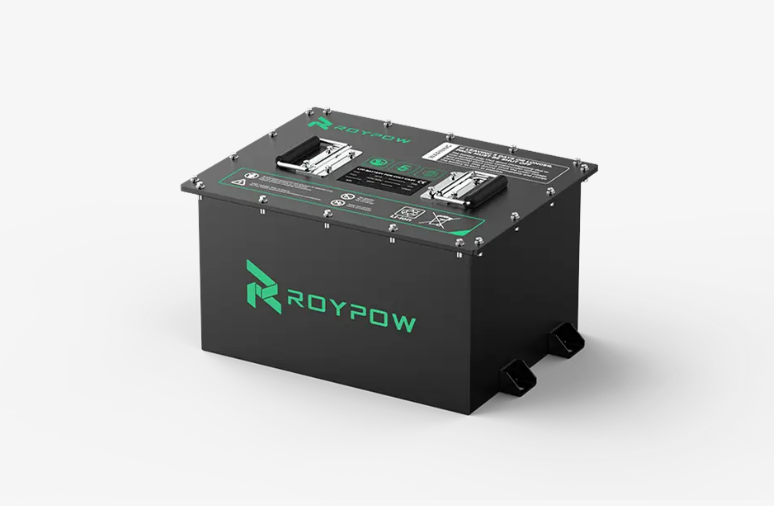
Golf carts are now used in far more places than traditional golf courses. Resorts, residential communities, commercial properties, and recreational venues all rely on them for efficient short-distance transportation. As these vehicles are expected to handle longer routes, steeper terrain, and more frequent daily use, battery performance becomes a major factor in overall operating efficiency.
For many operators, traditional lead-acid batteries no longer meet modern demands. They can lose power gradually during use, require regular maintenance, and often take longer to recharge. These limitations affect not only vehicle performance but also scheduling, labor efficiency, and long-term costs. That is why lithium battery systems are becoming a preferred upgrade for golf cart owners and fleet managers looking for more reliable performance.
Understanding the Advantage of Lithium Power
Lithium batteries differ from conventional lead-acid systems in several important ways. Instead of delivering uneven power as the battery drains, lithium systems provide more stable output throughout the discharge cycle. This gives golf carts a smoother driving experience and helps maintain performance during extended use.
Another key benefit is ease of ownership. Lead-acid batteries often require routine watering, cleaning, and careful maintenance to avoid problems such as corrosion or sulfation. Lithium systems remove much of that burden, making them especially appealing for businesses that operate multiple vehicles and want to reduce routine service demands.
For commercial users, this difference can have a measurable impact. Less maintenance means less downtime, fewer service interruptions, and a more predictable operating schedule.
The Performance Benefits That Matter Most
A battery upgrade should improve more than just runtime. It should also support the practical needs of daily operation, from acceleration to charging speed.
Lithium golf cart batteries offer several clear advantages:
- Stronger acceleration
More responsive power helps carts move efficiently, especially when carrying passengers or equipment. - Better climbing ability
Stable energy delivery supports smoother performance on slopes and uneven terrain. - Consistent output
Voltage remains more stable, reducing the gradual slowdown often associated with lead-acid batteries. - Faster charging
Shorter charging times help return vehicles to service more quickly. - Lower maintenance demands
Operators spend less time managing battery upkeep.
These performance gains are particularly valuable in environments where carts are expected to remain available throughout the day. Whether the setting is a golf facility, a resort, or a private property fleet, improved battery efficiency supports better service continuity.
Why 48V Systems Are a Popular Choice
Voltage configuration plays an important role in determining how a golf cart performs. In many modern applications, 48 volt golf cart batteries are a practical choice because they balance power, efficiency, and compatibility with a wide range of low-speed vehicles. A 48V lithium setup can help support:
- longer operating range on a full charge
- more dependable performance over extended use
- improved energy efficiency compared with older systems
- reduced waiting time between driving cycles
For operators managing several carts at once, this can lead to better fleet utilization. Vehicles spend less time charging and more time serving guests, residents, or staff. Over time, that increased uptime can make a meaningful difference in day-to-day productivity.
Faster Charging Supports Higher Uptime
Charging speed is one of the most important considerations for commercial golf cart use. Slow charging can disrupt rotation schedules and reduce the number of vehicles available during peak periods. This is one reason lithium systems continue to gain traction in fleet environments.
Compared with conventional options, lithium batteries can recharge much faster, which helps keep carts in circulation. For businesses operating in hospitality, leisure, or large-property transportation, this can improve scheduling flexibility and reduce the risk of service gaps during busy hours.
In addition, lithium batteries are known for long cycle life. Because they generally last longer than lead-acid batteries, replacement intervals may be reduced, which supports lower long-term operating costs.
What to Consider Before Upgrading
Not every golf cart application has the same requirements, so battery selection should reflect actual usage conditions. Before upgrading, buyers should evaluate a few practical factors:
- vehicle voltage requirements
- expected daily mileage or runtime
- terrain conditions, such as hills or uneven surfaces
- charging availability and turnaround expectations
- long-term maintenance and replacement costs
A well-matched battery system should not only fit the vehicle but also align with how the cart is used in real operating conditions.
A More Efficient Direction for Golf Cart Fleets
As expectations for golf cart performance continue to rise, lithium batteries are becoming an increasingly logical solution. They offer stronger and more consistent power delivery, reduce maintenance demands, and help improve uptime through faster charging. For businesses and property operators, these advantages can translate into smoother daily operations and better long-term value.
For fleets that depend on reliability, efficiency, and reduced downtime, upgrading to lithium is more than a technical improvement. It is a practical investment in better performance and a more modern approach to golf cart power.
