Medical devices depend on stable electrical connections to maintain safe and consistent operation. Monitoring systems, laboratory instruments, diagnostic equipment, and portable medical devices may operate for extended periods, making the power interface an important part of the overall electrical architecture. Although relatively small, this component connects the external power source with the internal power system, so its electrical and mechanical characteristics can affect equipment safety, reliability, and usability.
For medical equipment manufacturers, power-interface selection should therefore go beyond connector compatibility. Input voltage, contact stability, insulation, mechanical strength, temperature behavior, installation method, and verification requirements all need to be considered before a component is integrated into the final device.
Connection Stability Is the First Safety Consideration
A stable electrical connection is fundamental to medical equipment reliability. If contact between the plug and socket is inconsistent, electrical resistance may increase and cause localized heating or intermittent power interruption. In equipment that depends on continuous operation, unexpected disconnection can affect the performance of internal circuits or connected functions.
Engineers should therefore examine the contact structure and mechanical construction of the component during the design stage. The socket needs to remain securely installed in the equipment enclosure and maintain suitable contact under normal operating conditions.
Repeated plugging and unplugging can also place mechanical stress on the interface. For equipment used frequently by healthcare personnel, durability should be considered together with electrical specifications. The design should match the expected frequency of connection, installation position, and user operating method.
These factors explain why a high-quality AC power socket is more than a basic connection point. Its mechanical and electrical characteristics form part of the equipment’s overall power-safety design.
Electrical Compatibility Affects Long-Term Reliability
Medical equipment can have different input requirements depending on its internal power architecture. Before selecting a socket, engineers need to confirm the expected AC input range and ensure that the component is suitable for the intended electrical environment.
Temperature is another factor that should not be overlooked. Electrical resistance at connection points can contribute to heat generation, particularly when equipment operates continuously. Engineers can evaluate temperature behavior under expected load conditions during product verification.
The surrounding enclosure also influences performance. A socket installed in a compact structure may have different airflow and heat-dissipation conditions from one installed in a larger system. The position of nearby components, cable routing, and ventilation should therefore be considered during mechanical design.
For medical applications, electrical compatibility also needs to be reviewed together with insulation and protection requirements. Evaluating the complete power path rather than a single component can provide a more accurate understanding of system-level safety.
Integrated Interfaces Can Simplify Equipment Design
Modern medical and professional equipment increasingly requires multiple power-related functions. A device may need an AC input connection while also providing USB ports for accessories, service equipment, or mobile electronics.
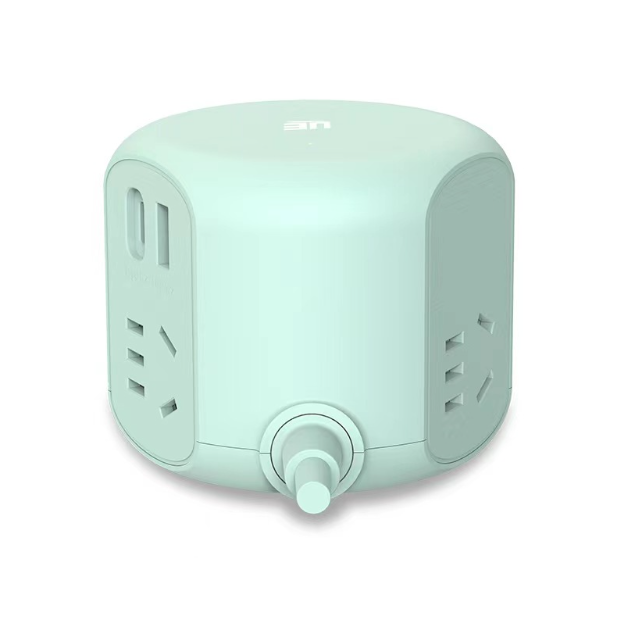
The UEP35A322XXX series demonstrates a compact integrated interface design, combining multiple AC outlets with Type-C and USB-A ports in one solution. It supports flexible charging needs through a variety of fast-charging standards, making it suitable for applications that require convenient power access and efficient device connectivity.
The USB-A ports support DCP, APPLE2.1A, and other protocols. Combining these interfaces into one module can reduce the need for separate panel components and give equipment designers more flexibility when arranging internal and external connections.
The module also includes a master control switch and intelligent power-distribution functions. These features can be useful for equipment that needs to provide power to several connected devices while maintaining a more organized interface structure.
Verification Should Cover More Than Basic Electrical Tests
Component verification is an important step before medical equipment enters larger production stages. Engineers need to confirm that the selected interface works correctly with the complete system rather than evaluating it only as an individual component.
Electrical testing can examine input compatibility, connection behavior, and temperature performance under expected operating conditions. Mechanical evaluation can focus on mounting stability, plug insertion, removal, and durability.
EMC should also be considered because the power interface forms part of the equipment’s electrical pathway. The final system may contain sensitive control circuits, communication modules, displays, and other electronics. Electromagnetic performance therefore needs to be evaluated within the broader equipment design.
Early testing can identify compatibility problems before production tooling and certification work are completed. This can reduce later design changes and make the transition from prototype development to production more controlled.
What Should Medical Equipment Buyers Evaluate?
When purchasing an AC power socket, medical equipment manufacturers should create an evaluation checklist based on the complete application. Electrical input specifications should be reviewed first, followed by mechanical dimensions, mounting method, connector configuration, protection requirements, and expected operating conditions.
If the equipment requires additional USB charging functions, buyers should also check supported charging protocols and power-distribution behavior. These details can affect compatibility with accessories and external devices.
Supplier capability is another consideration for B2B projects. Customers may need samples, technical documentation, customization communication, testing information, and consistent production support. A supplier should be able to communicate clearly about component specifications and application limitations.
UE Electronic provides power-related components and solutions for professional equipment applications. Its engineering and verification processes can support customers evaluating electrical and application compatibility during product development.
Why Component Quality Influences the Complete Device
The reliability of medical equipment depends on the interaction between many individual components. A power interface may not determine system performance by itself, but poor contact stability, unsuitable installation, or inadequate electrical compatibility can create problems elsewhere in the equipment.
For this reason, manufacturers should treat the AC power socket as part of the complete power architecture rather than an isolated accessory. Selection should take into account electrical requirements, mechanical integration, user operation, testing conditions, and future production plans.
The UEP35A322XXX series demonstrates how an integrated interface can combine AC connection, USB charging, switching, and power-distribution functions within one module. For equipment designers, this approach can provide additional flexibility when developing compact or multifunctional products.
A practical selection process should begin during the equipment design stage. By reviewing safety, connection stability, thermal behavior, EMC considerations, installation requirements, and supplier consistency together, manufacturers can reduce integration risks and build a more dependable foundation for medical device operation.
