Digital dentistry has transformed implant treatments by improving communication between clinicians and dental laboratories while increasing workflow efficiency. Among these innovations, Intraoral photogrammetry has become an important technology for implant dentistry, especially in complex implant cases such as full-arch restorations. By accurately capturing implant positions and transferring digital information, Intraoral photogrammetry helps dental professionals achieve more predictable treatment outcomes.
As implant procedures continue to demand higher precision, technologies such as the intraoral photogrammetry 3D scanner are becoming cost-effective integrated digital system for clinicians who want to optimize digital workflows. SHINING 3D DENTAL has developed its Intraoral photogrammetry (IPG) solution to support implant treatment processes with efficient data acquisition and digital integration.
What Is Intraoral photogrammetry in Implant Dentistry?
Intraoral photogrammetry is a digital measurement technology that determines the position and relationship of objects by analyzing images captured from different angles. In implant dentistry, this technology is used to accurately record implant positions through specially designed scan bodies and digital scanning workflows.
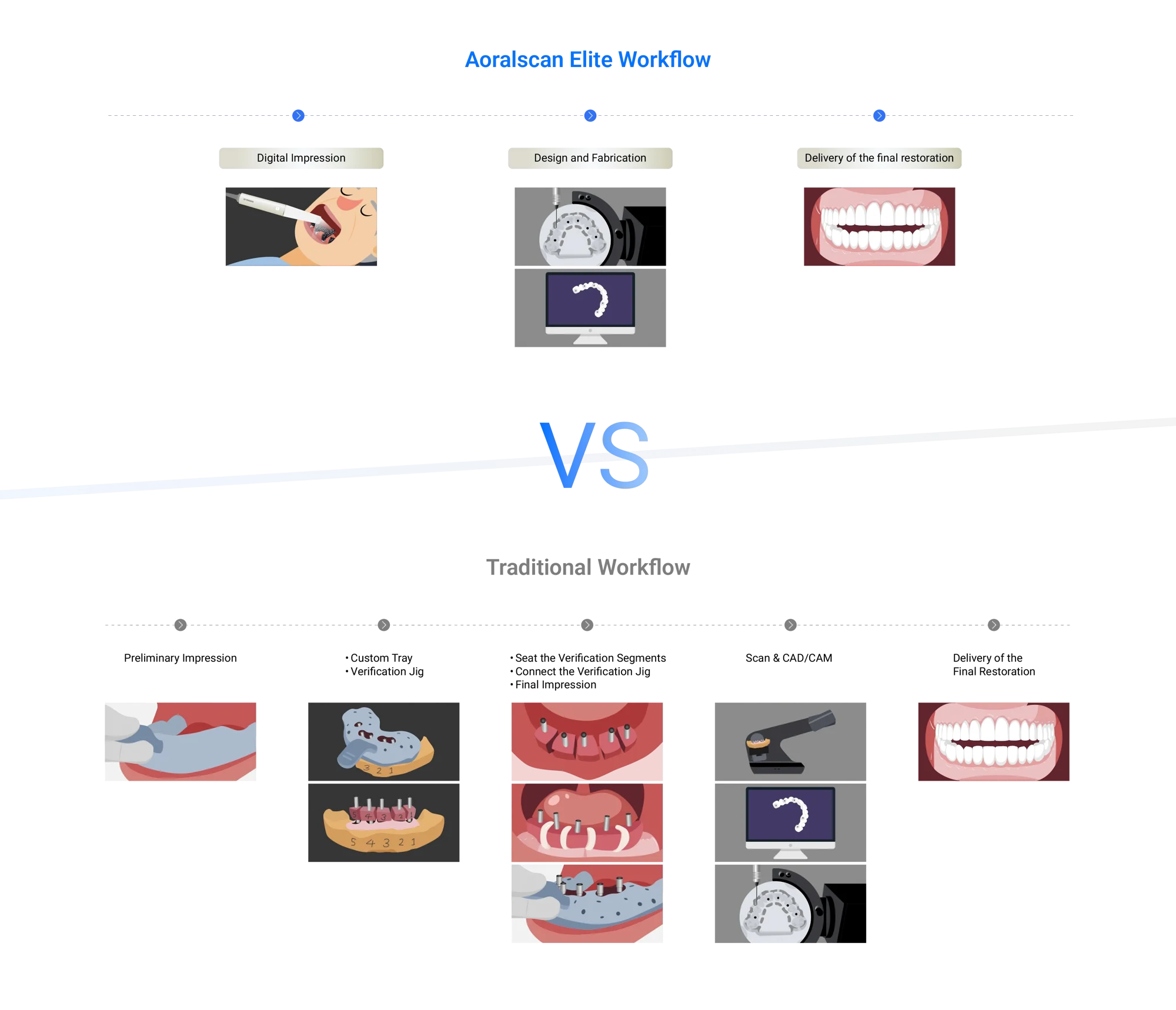
Traditional implant impressions can involve multiple manual steps, which may introduce inaccuracies during the transfer of implant information from the patient’s mouth to the laboratory. Intraoral photogrammetry provides an alternative digital approach by capturing precise spatial information and transferring it directly into the digital implant workflow.
For implant cases, especially full-arch restorations, accurate implant position data is essential. Even small deviations can affect the passive fit, function, and long-term performance of implant-supported restorations. Therefore, digital technologies that improve accuracy have become increasingly important in modern dental practices.
How Does a Intraoral photogrammetry 3D Scanner Support Implant Treatments?
A Intraoral photogrammetry 3D scanner uses image-based measurement technology to capture the exact spatial relationship between implants. During the scanning process, encoded scan bodies act as reference points, allowing the system to identify implant locations and orientations.
This technology is particularly beneficial for complex implant procedures where multiple implants must be accurately aligned. By collecting detailed positional information, Intraoral photogrammetry can help dentists and laboratories reduce errors during restoration design and manufacturing.
Compared with conventional workflows, digital Intraoral photogrammetry can simplify communication between dental clinics and laboratories. The captured data can be integrated into CAD/CAM workflows, allowing technicians to design implant restorations based on accurate digital information.
Why Is a Intraoral photogrammetry Dental Scanner Important for Full–Arch Implant Cases?
Full-arch implant restoration requires extremely accurate positioning because multiple implants work together to support a single restoration. Any mismatch between implant positions and the final prosthesis may affect fitting accuracy and patient comfort.
A Intraoral photogrammetry dental scanner provides dental professionals with a reliable method to capture implant locations in challenging cases. By improving digital data collection, this technology supports more efficient collaboration between implant dentists and dental laboratories.
For clinicians managing full-arch implant cases, Intraoral photogrammetry can help streamline the workflow by reducing dependence on traditional impression techniques. The result is a more predictable digital process from implant placement to restoration production.
How SHINING 3D DENTAL IPG Supports Digital Implant Workflows?
SHINING 3D DENTAL’s IPG solution, which stands for Intraoral photogrammetry, combines Intraoral photogrammetry technology with intraoral scanning capabilities. It is designed to support implant cases by capturing accurate implant position information while integrating it with digital oral data.
The IPG workflow works with encoded scan bodies to collect implant position and angle information. This data can then be combined with intraoral scan information, helping create a complete digital representation of the patient’s oral condition.
SHINING 3D DENTAL integrates IPG technology into its digital dentistry ecosystem, including compatible intraoral scanning solutions such as Aoralscan Elite and Elite Wireless. This integration allows dental professionals to incorporate implant Intraoral photogrammetry into a streamlined digital workflow.
Advantages of Integrating Intraoral photogrammetry Into Implant Workflows
- Improved Implant Position Accuracy
One of the main advantages of Intraoral photogrammetry is its ability to capture detailed implant positioning information. Accurate digital data helps laboratories design restorations that better match the clinical situation.
For complex implant treatments, improving data accuracy can reduce potential adjustments during restoration procedures and support smoother clinical workflows.
- More Efficient Communication Between Clinics and Laboratories
Digital implant workflows depend on effective information exchange between dental professionals. Intraoral photogrammetry allows clinicians to transfer digital implant data more efficiently, helping laboratories receive accurate information for restoration design.
A connected workflow can reduce unnecessary communication delays and improve cooperation between different teams involved in implant treatment.
- Better Support for Modern CAD/CAM Dentistry
Modern dental laboratories increasingly rely on digital design and manufacturing technologies. Intraoral photogrammetry provides reliable implant data that can be integrated into CAD/CAM processes.
When combined with digital design software and manufacturing equipment, Intraoral photogrammetry supports a more efficient approach to producing implant-supported restorations.
The Future Role of Intraoral photogrammetry in Implant Dentistry
As digital dentistry continues to develop, Intraoral photogrammetry is expected to become an increasingly important technology in implant treatment. Dental professionals are looking for solutions that improve accuracy, simplify workflows, and enhance cooperation between clinics and laboratories.
The adoption of advanced tools such as a Intraoral photogrammetry 3D scanner allows dental teams to move toward more digital and data-driven implant procedures. With accurate implant data collection, clinicians can better manage complex cases and improve workflow consistency.
A Photogrammetry dental scanner represents an important step toward more integrated implant dentistry. Solutions like SHINING 3D DENTAL IPG demonstrate how digital technologies can support dental professionals in achieving more efficient and predictable implant workflows.
Conclusion
Intraoral photogrammetry is increasingly becoming part of modern implant treatment workflows, particularly for demanding cases that require high accuracy. By capturing precise implant positions and connecting clinical data with digital design processes, Intraoral photogrammetry helps improve communication, efficiency, and treatment predictability.
With its IPG Intraoral photogrammetry solution, SHINING 3D DENTAL provides dental professionals with a digital approach to implant data acquisition. As implant dentistry continues to evolve, Intraoral photogrammetry technology will remain an important tool for advancing digital dental workflows.
