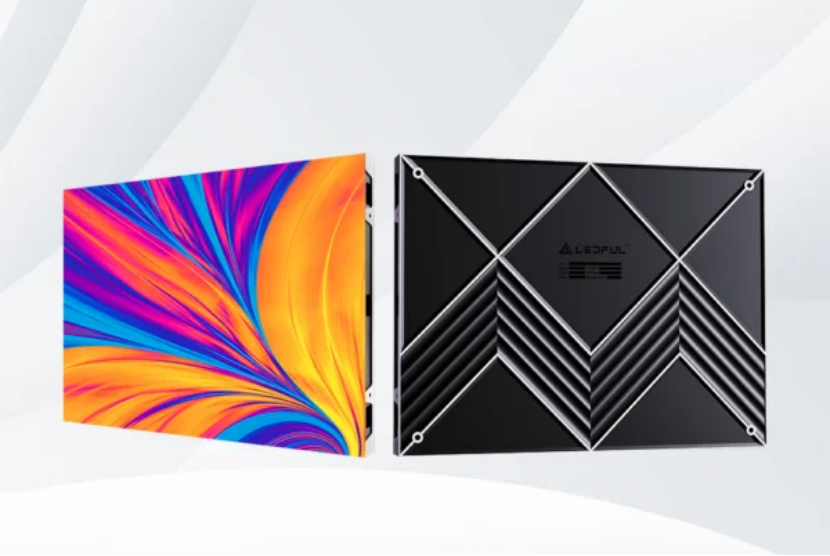
In the rapidly evolving landscape of visual technology, the hardware that served a facility three to five years ago may now be a bottleneck for brand communication and operational efficiency. For engineering directors and facility managers, identifying the exact moment to transition to modern indoor LED displays is a strategic decision that impacts both viewer engagement and long-term maintenance budgets. As an established leader in high-definition visual solutions, LEDFUL provides the technical framework necessary to evaluate when existing infrastructure has reached its architectural limit. Transitioning to a contemporary indoor LED screen display is not merely an aesthetic update; it is an upgrade to the fundamental reliability and visual accuracy of the communication system. Below are five technical signs that indicate an upgrade is required to maintain professional standards.
Visible Pixel Pitch and Resolution Mismatch
The most immediate sign of an outdated system is visible pixelation at standard viewing distances. Older indoor LED displays were often engineered with larger pixel pitches P3 to P5, which struggle to render the fine text and high-definition 4K content common in modern corporate and retail environments. If viewers can distinguish individual diodes, the immersion is lost. Modern professional standards now favor “Fine Pitch” solutions. Upgrading to a high-density indoor LED screen display, such as the LEDFUL HD with pitches ranging from P0.9 to P1.8, ensures that content remains crisp even when viewed from just a few meters away. This resolution leap is essential for control centers and luxury retail, where data clarity and brand premiumness are paramount.
Significant Color Shift and Non-Uniformity
LED diodes naturally decay over time, but they do not always decay at the same rate. After several years of continuous operation, an older screen may begin to show “patchiness” or color shifts, where one section of the display appears warmer or cooler than the rest. While individual module calibration can temporarily mask these issues, a significant loss of color uniformity usually points to the end of the diodes’ optimal lifecycle. Modern indoor LED displays utilize advanced driver ICs. If the display can no longer accurately reproduce a brand’s specific Pantone colors, it is a critical sign that the internal hardware requires a full systemic upgrade.
Frequent Component Failure and Rising Maintenance Costs
As hardware ages, the frequency of “dead pixels,” power supply failures, and receiving card errors inevitably increases. For a professional operation, the cost of downtime—combined with the price of specialized labor and increasingly scarce legacy spare parts—often exceeds the investment in a new system. Newer indoor LED screen display architectures prioritize serviceability. Modern systems often feature fully modular designs with magnetic front-service access, allowing for the replacement of a single module in under 60 seconds. If the current maintenance log shows a pattern of recurring hardware failures, moving to a reliable LEDFUL solution with modern circuit protection and redundant signal paths will significantly lower the total cost of ownership.
Low Refresh Rates and Camera Interference
In an era where every event is captured via smartphone or professional broadcast camera, the refresh rate of an indoor LED screen display has become a vital technical metric. Older displays typically operate at a refresh rate of 1920 Hz, which can cause flickering, “moire” patterns, or black scan lines when viewed through a lens. For professional studios, stages, or high-traffic lobbies, an upgrade to a system supporting 3840 Hz or higher is necessary. This high-frequency operation ensures a flicker-free experience for both live audiences and digital viewers. If the current display appears unstable on camera, it is failing to meet the modern requirements of a digitally-integrated workplace or event space.
Excessive Heat Generation and Energy Inefficiency
Legacy LED technology is often inefficient, converting a large percentage of power into waste heat rather than light. This not only increases electricity bills but also necessitates loud, active cooling systems that can be disruptive in quiet indoor environments like boardrooms or galleries. Modern indoor LED displays utilize common cathode technology and high-efficiency power supplies that run significantly cooler. By upgrading, facilities can reduce their energy consumption by up to 30\%, while benefiting from a “fanless” design that operates in total silence. A screen that feels hot to the touch or requires constant air conditioning is a clear candidate for a more sustainable, modern replacement.
Selecting a Technically Superior Upgrade Partner
Navigating the transition from legacy hardware to a next-generation indoor LED screen display requires a partner with deep technical expertise.LEDFUL has a documented history of successful indoor installations across 80+ countries, providing the engineering support needed for seamless integration into existing architectural structures. Choosing a professional LED display supplier ensures access to international certifications (CE, FCC, RoHS) and a robust supply chain for long-term project stability. We provide the CAD layouts and electrical planning necessary to ensure that your upgrade is not just a purchase, but a long-term engineering success.
Mastering Customization for Professional Engineering
Every indoor environment poses unique structural and aesthetic challenges. The company understands that a ‘one size fits all’ approach does not work for experienced B2B clients. We highlight our strong engineering customization capability by offering bespoke solutions tailored to the specific constraints of your site. Beyond our standard product lines, we offer extensive customization options based on individual project needs. This includes the ability to adjust the number of lamp caps to achieve specific brightness or density targets, as well as customizing the housing colors and coating finishes to ensure the display blends perfectly with your interior design. Whether you require a specific frame style or a unique cabinet dimension to fit a custom alcove, our engineering team can modify the hardware according to your exact lamp and installation requirements. To explore our full range of technical specifications and customization possibilities, we invite you to visit our service and explore pages to see how we can modernize your visual infrastructure.
