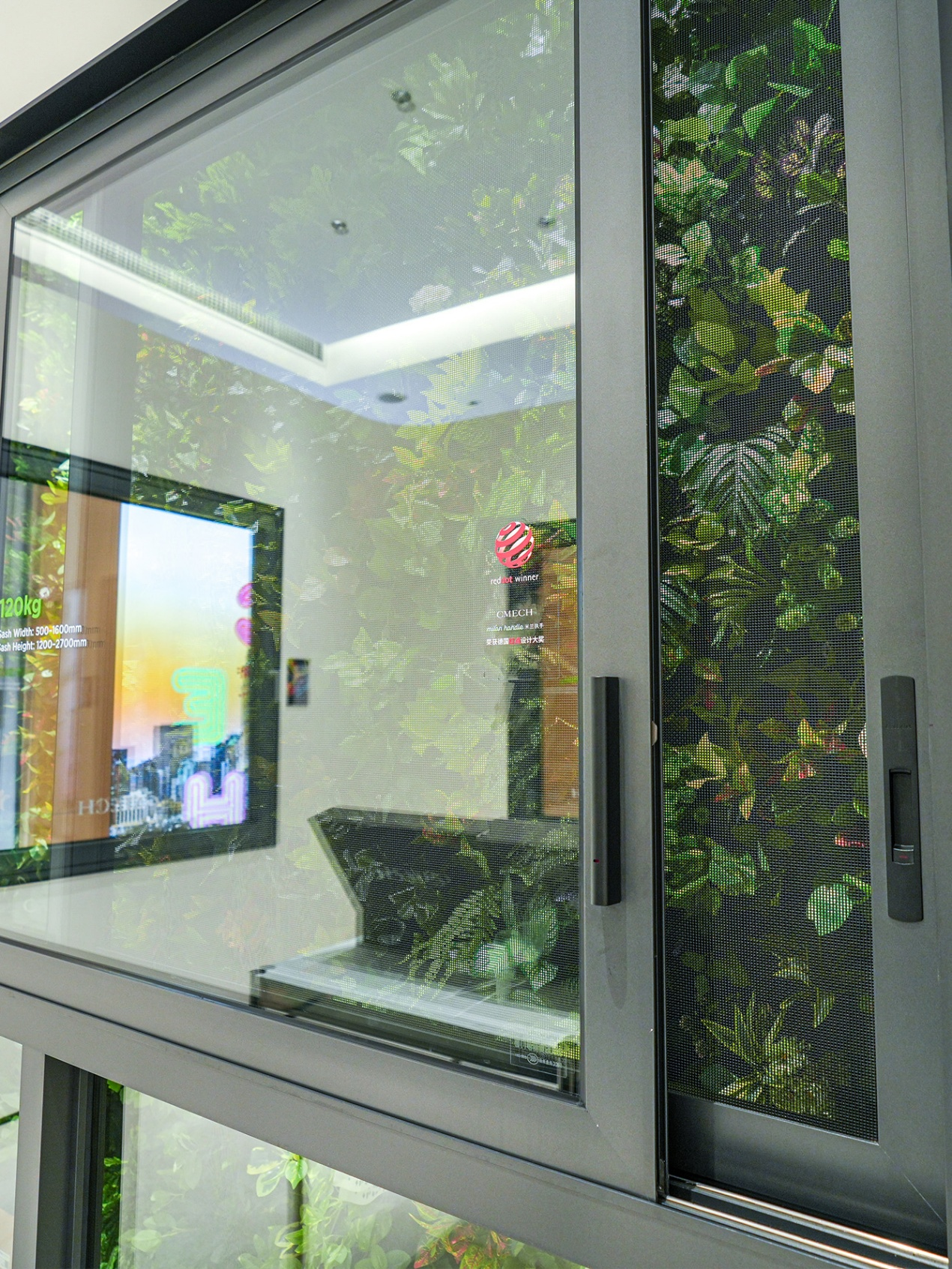
Horizontal sliding windows are a staple of modern residential architecture, offering unobstructed views, effortless operation, and space-saving functionality. Because sashes move horizontally along track channels rather than swinging outward, sliding configurations maximize indoor living space and work exceptionally well in walkways, balconies, and patio areas. However, the long-term performance, ease of movement, and security of a sliding window depend on both the hardware components and the overall window design, installation, and maintenance.
Whether configuring a simple two-panel layout or a large multi-track system, selecting complete sliding window hardware ensures structural stability, quiet operation, and weather protection. Breaking down the core hardware elements—from heavy-duty roller assemblies to specialized locking handles—helps homeowners understand how individual parts work together to support single and multi-panel window designs.
Load-Bearing Rollers and Precision Track Alignment
Rollers act as the fundamental support mechanism for any horizontal sliding window sash, bearing its full static weight while enabling smooth lateral movement. Unlike hinged sashes that rely on friction arms, sliding panels transfer all vertical loads directly onto lower track profiles. Overloading standard rollers leads to track deformation, increased operational friction, and premature component failure.
High-performance roller assemblies utilize a multi-layer bracket structure that distributes weight intelligently across contact points. Depending on sash size and glazing thickness, roller options offer load capacity ranges from 120 kg to 300 kg. Premium variants feature rubber-coated wheels designed to dampen vibration and minimize metal-on-metal contact, delivering quiet, smooth gliding. These assemblies undergo rigorous testing, maintaining silent operation through 120,000 continuous operation cycles.
Recessed Handles and Intuitive Latching Mechanisms
Operating a horizontal sliding window requires handle designs that complement the sliding path without obstructing adjacent panels or secondary insect screens. Standard lever handles that project from the sash face can impede panel movement or catch on window treatments in tight architectural spaces.
For clean integration, low-profile recessed pull handles sit flush within the sash profile. Incorporating a flush pull handle allows users to operate and secure the sash with a simple finger press. The Bump Lock Recessed Pull Handle combines fast installation with one-touch locking, while the S Metro Handle offers automatic or manual locking options and a ±3 mm self-adjusting hook. These compact units eliminate protrusion, saving interior space while providing convenient, anti-theft locking protection for modern residential builds.
Hook Locks, Keepers, and Weather Resistance
Maintaining an effective seal against external weather conditions is an important requirement for horizontal sliding windows. Because sliding panels move parallel to the outer frame, compressing weather gaskets requires reliable locking hardware that pulls the sash firmly against frame seals upon engagement.
Single-point hook locks and multi-point locking systems engage specialized lock keepers installed along the outer frame. Roller-style hook locks featuring bearing-assisted engagement reduce internal friction during locking, extending the service life of both the hook mechanism and the keeper. Self-adjusting hooks compensate for minor profile tolerances, maintaining consistent gasket compression during seasonal temperature changes. When paired with robust anti-lift blocks, hook locks provide documented pull-out resistance, preventing forced entry and protecting homes against air drafts and driving rain.
Hardware Considerations for Multi-Panel Configurations
While single and double-panel layouts rely on straightforward single-track or dual-track profiles, expanding wall openings requires multi-track setups. Projects utilizing four, or six-track arrangements allow multiple sashes to slide independently and stack neatly to one side, opening up large architectural spans without requiring single, heavy panels.
Multi-panel installations demand precise hardware matching across every sash. Roller load ratings must be tailored to the exact weight of each individual sash, while slim-profile handles ensure smooth panel stacking without interference. For multi-track installations, the locking hardware should be matched to the sash configuration and evaluated alongside the complete window’s operating and sealing requirements.
Engineering Standards and Architectural Hardware Quality
Selecting durable fenestration components requires partnering with established hardware manufacturers dedicated to continuous innovation and rigorous testing. CMECH has developed window and door hardware solutions since the 1990s.
The company offers dedicated hardware systems engineered for modern architectural demands. Within the complete Sliding Window Hardware Solution, home builders and project specifiers can select precision-engineered hardware components designed for long-term performance:
- Load-Bearing Rollers: Multi-layer bracket designs supporting weights from 120 kg to 300 kg, equipped with rubber-coated wheels cycle-tested to 120,000 uses.
- Recessed Metro Handles: Space-saving flush pull designs engineered for smooth latching, snag-free operation, and sleek visual integration.
- Hook Locks & Anti-Lift Accessories: Heavy-duty locking points built to deliver reliable seal compression and forced-entry protection.
By focusing on precision manufacturing and user-centric design, CMECH delivers hardware solutions that ensure smooth functionality, structural safety, and lasting visual appeal.
Selecting the Right Sliding Window Components
Building or updating residential properties with sliding window layouts involves evaluating load limits, operational frequency, and environmental exposure. Matching roller load capacities accurately and selecting low-profile locking handles ensures that sashes glide quietly and lock securely for years to come.
By equipping residences with high-quality horizontal sliding window hardware, homeowners enjoy effortless daily control, effective weather sealing, and modern architectural styling, backed by the proven engineering experience of CMECH.
